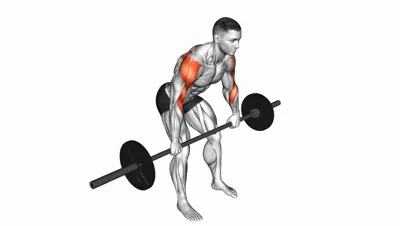
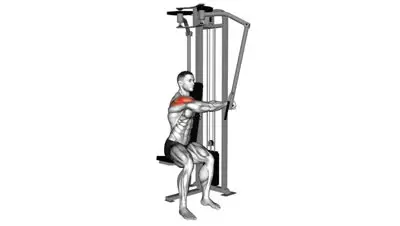
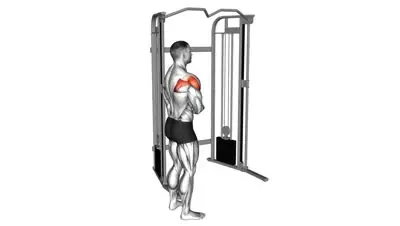
Description
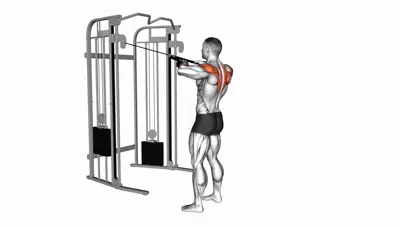
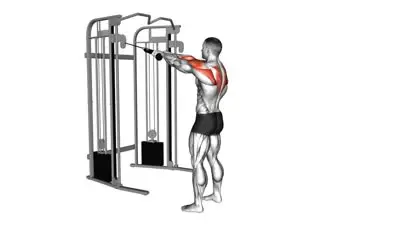
The standing cable reverse fly is a rear-delt isolation performed from two cables crossed in front of the body. Standing between high or shoulder-height pulleys and gripping the opposite handle in each hand, you pull the cables apart in a wide arc, training the posterior delts and upper-back retractors under constant tension. The cable setup keeps resistance on the rear delts through the entire range — including the fully contracted position where dumbbells unload — making it more effective than bent-over dumbbell flyes for many lifters. As a rear-delt and postural builder, it balances all the pressing in a program and supports healthy shoulders.
How to perform
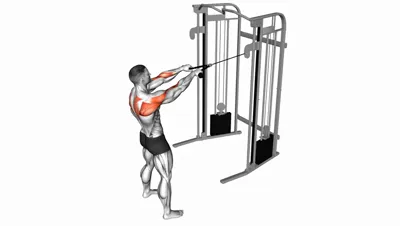
- Set the pulleys and cross the cables Set both pulleys to roughly shoulder or head height. Stand in the middle and take the left handle in your right hand and the right handle in your left, so the cables cross in front of you.
- Set your stance and posture Stand tall with a staggered or shoulder-width stance, a slight bend in the elbows, and arms extended in front with the cables under tension. Brace your core.
- Pull the cables apart Pull the handles apart and back in a wide arc, leading with the elbows and pinkies, until your arms are out to the sides roughly level with your shoulders.
- Squeeze the rear delts Pause at the end of the arc with the rear delts and upper back fully contracted and the shoulder blades drawn together. Keep the elbows soft and fixed.
- Return under control Bring the handles back in front under control, resisting the cables as they pull your arms forward, and keep tension on the rear delts at the front.
- Keep constant tension Do not let the cables snap your arms forward or rest between reps — keep the rear delts loaded throughout the set.
Tips
- Lead with your elbows and pinkies — thinking 'pull the cables apart with the back of the wrist' keeps the rear delt working instead of the arms.
- Use the constant tension in the contracted position — squeeze where dumbbell flyes would normally lose all resistance.
- Keep a soft, fixed elbow bend; straightening into a press or bending into a row both take the rear delt out of it.
- Go light and chase the squeeze — the rear delt is a small muscle that responds to controlled tension, not heavy loads.
- Set the pulleys at shoulder height for a level arc, or higher to bias the lower rear-delt fibres.
Common mistakes
- Using momentum — heaving the cables apart with the whole body recruits the back and traps instead of isolating the rear delts.
- Bending the elbows into a row — pulling with bent arms turns the fly into a face pull and shifts load to the mid-traps and lats.
- Going too heavy — a load that forces you to lean back or shrug means the rear delts are no longer the working muscle.
- Shrugging the traps — letting the shoulders rise during the pull moves tension off the rear delts onto the upper traps.
- Cutting the contraction short — failing to draw the arms fully back wastes the cable's constant-tension advantage at the peak.
Recommended sets & reps
| Sets | Reps | RIR | |
|---|---|---|---|
| Strength | 3–4 | 10–12 | 1–2 |
| Hypertrophy | 3–4 | 12–15 | 1–2 |
| Endurance | 2–3 | 15–20 | 2–3 |
| Power | 3 | 10–12 | 2–3 |
The rear delt is a small muscle that responds to higher reps (12–20) and 3–4 sets of constant-tension work rather than heavy loading. These are working sets only; pair with 2× per week frequency to accumulate ~10–20 weekly sets across the rear delts and upper back (Schoenfeld 2017, Pelland 2025).
Benefits
Isolates the rear delts under constant cable tension, including the fully contracted position where bent-over dumbbell flyes lose all resistance — making it a more effective rear-delt builder for many lifters. Strong, developed rear delts balance the heavy front-delt and chest work in most programs, improving posture and protecting the shoulder joint from the imbalance that drives impingement. The crossed-cable path follows the rear delt's natural line of pull for a clean contraction, and standing adds light core involvement. As a high-rep, low-fatigue isolation, it is one of the best insurance policies against rounded-shoulder posture and shoulder injury over a training career.
Frequently asked questions
Standing cable reverse fly vs dumbbell reverse fly — which is better?
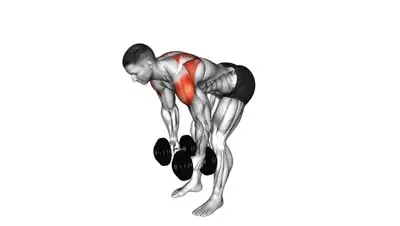
The cable version keeps tension on the rear delt through the whole range, including the squeeze at the end where dumbbells unload completely. The bent-over dumbbell fly is convenient and needs no cable station but loses tension at the top. For consistent rear-delt stimulus, the cable version usually wins.
What if my gym only has one cable pulley?
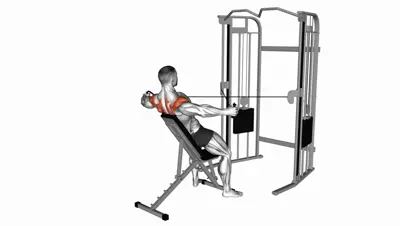
Do it one arm at a time with a single pulley, pulling across your body, or substitute a reverse pec-deck or bent-over dumbbell fly. The rear delt only needs a horizontal pulling-apart motion under tension — the exact tool is flexible.
How heavy should I go on reverse flyes?
Light. The rear delt is small and responds to controlled tension and reps, not heavy load. Pick a weight you can pull apart with strict form for 12–20 reps while feeling the rear delt, not the traps. If you have to swing, it is too heavy.
How often should I train rear delts?
2–3× per week works well because rear delts recover quickly and most lifters under-train them relative to the front delts. A few sets each session adds up to the 10–20 weekly sets that balance out heavy pressing.
Educational guidance only — not a substitute for in-person coaching. Train within your ability and use a spotter for heavy attempts.